Art in the Age of AI
How we use machine learning algorithms to plan and visualize 50-foot murals before a single brush stroke.
Artists have always used technology. The invention of perspective grids revolutionized Renaissance painting. The camera reshaped 19th-century portraiture. Spray paint birthed an entire subculture.
AI is just the latest tool. But it's a profound one.
The Old Way: Expensive Mistakes
Imagine this scenario: A client commissions a 50-foot mural for their corporate lobby. You sketch concepts. They approve one. You order $5,000 worth of paint. You spend three weeks on scaffolding executing the vision.
Then the client sees it finished and says: "Actually, we were thinking something more… vibrant."
This happened to me. Twice. Early in my career, I lost months of work and tens of thousands of naira because I couldn't preview the final result accurately enough.
Enter Machine Learning
Now I use AI as a design laboratory. I photograph the actual wall. I input architectural measurements. I train models on my personal style — my color theory, my brushwork, my compositional preferences.
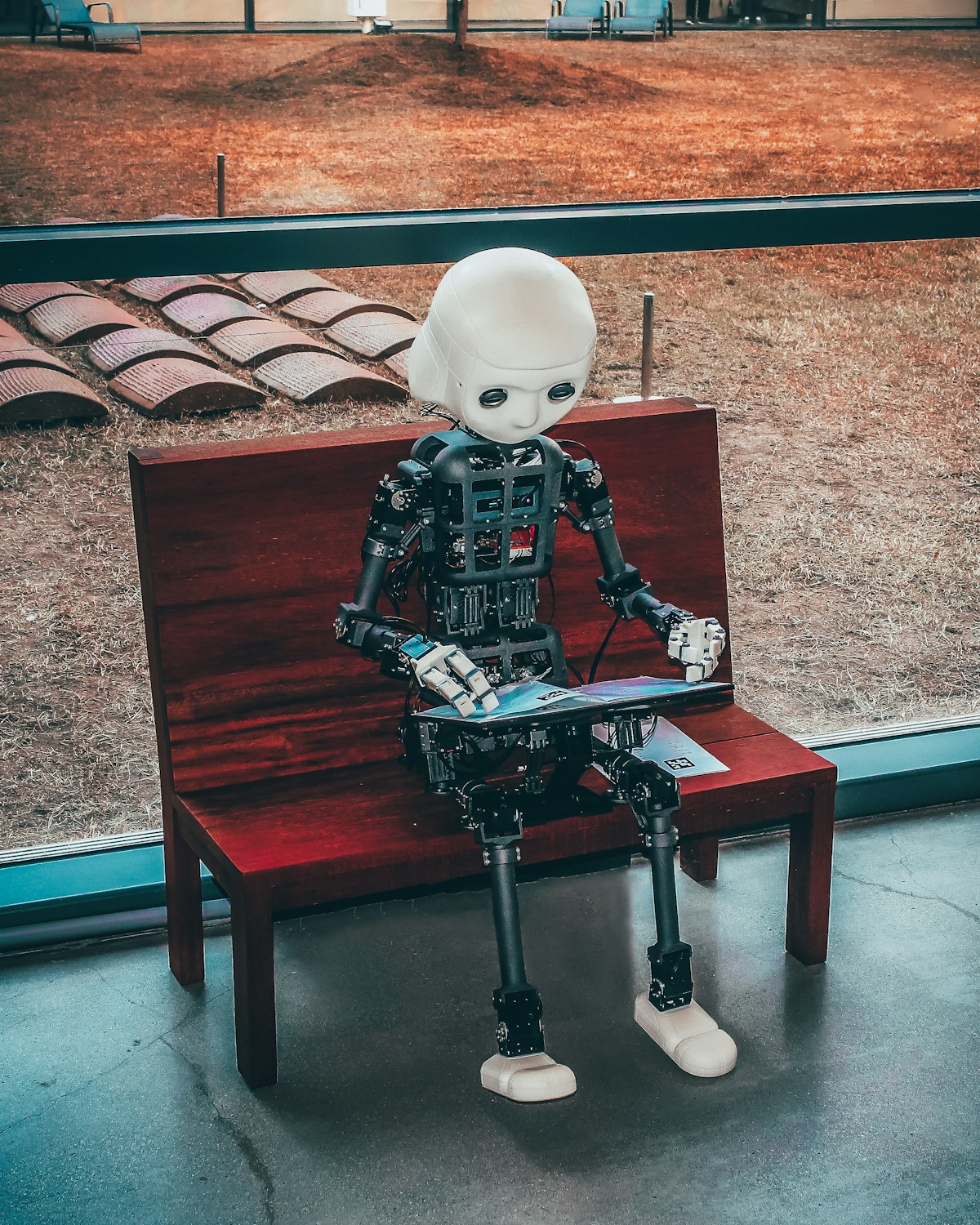
Then I generate photorealistic mockups. Not generic renderings — images that look like finished murals, with realistic lighting, texture, and scale. The client can see exactly what they're getting before I buy a single can of paint.
The Creative Amplification
But AI does more than prevent mistakes. It expands the creative possibility space.
I can generate fifty variations of a concept in an afternoon. Explore directions I wouldn't have thought of manually. Test radical color palettes without risk. The AI doesn't replace my artistic judgment — it gives me more options to judge.
Think of it like having a tireless assistant who can sketch anything you describe, instantly. Who never gets tired. Who never says "that's impossible." Who helps you think through every permutation before committing to one.
The Existential Question
Some artists fear AI will replace us. I don't. Here's why:
AI generates images. But it doesn't understand context. It doesn't know how Nigerian sunlight hits a wall at 3 PM. It doesn't feel the texture of concrete under your palm. It can't negotiate with a difficult client or improvise when you run out of cadmium red halfway through a project.
"AI makes me a better artist by freeing me from busywork and expanding my creative range."
The artists who will thrive in this new era aren't the ones resisting AI. They're the ones learning to dance with it — using it as a tool for exploration while maintaining the human touch in execution.
A New Creative Partnership
My workflow now looks like this:
- Client brief + site photos → AI model
- Generate 20-50 variations
- Narrow to 3 finalists with client
- Refine winning concept manually
- Generate final photorealistic mockup
- Get approval
- Execute on wall with brushes, spray cans, and human hands
The result? Happier clients. Fewer revisions. More creative risk-taking. And murals that are more ambitious because I can preview complexity before committing to it.
This is art in the age of AI. Not replacement. Amplification.