The Chemistry of Paint
Why I mix my own pigments for outdoor longevity — and what happens when a wall becomes a laboratory.
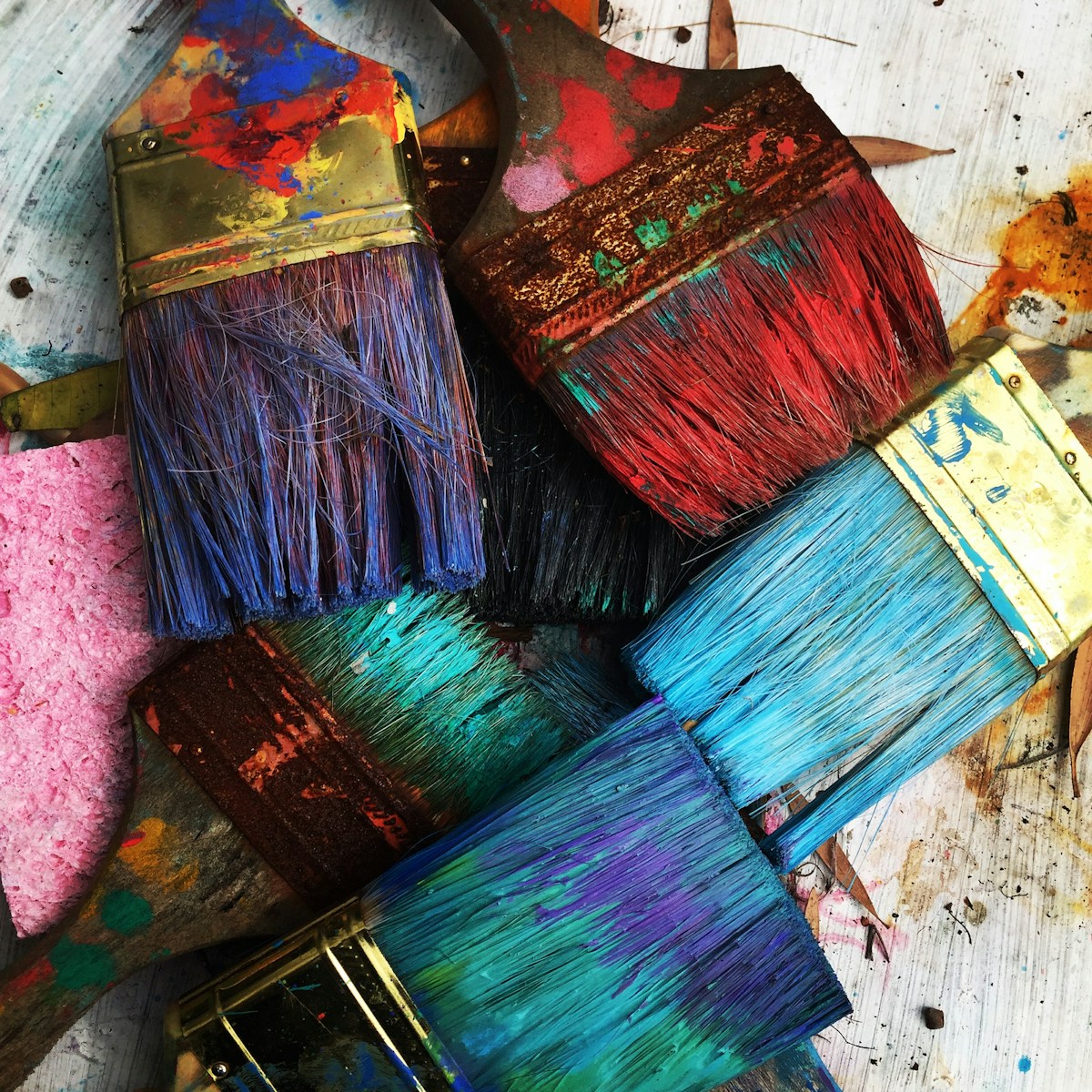
Most muralists buy their paint from a supplier and start painting. But I learned early that commercial paint — even the "outdoor" varieties — breaks down under Nigerian sun within two years. Fading. Cracking. Peeling.
So I started experimenting.
The Problem with Commercial Paint
Standard acrylic paints are designed for controlled environments. They assume moderate UV exposure, controlled temperature ranges, and protection from moisture. Nigerian conditions obliterate these assumptions.
The binders degrade. The pigments oxidize. Within months, your vibrant blues turn muddy gray. Your crisp whites yellow like old paper.
My Solution: Custom Pigment Mixing
I now source pure pigment powders — cadmium yellows, ultramarine blues, titanium whites — and mix them with industrial-grade acrylic polymer emulsions. I add UV inhibitors. I test different binder ratios. I document everything.
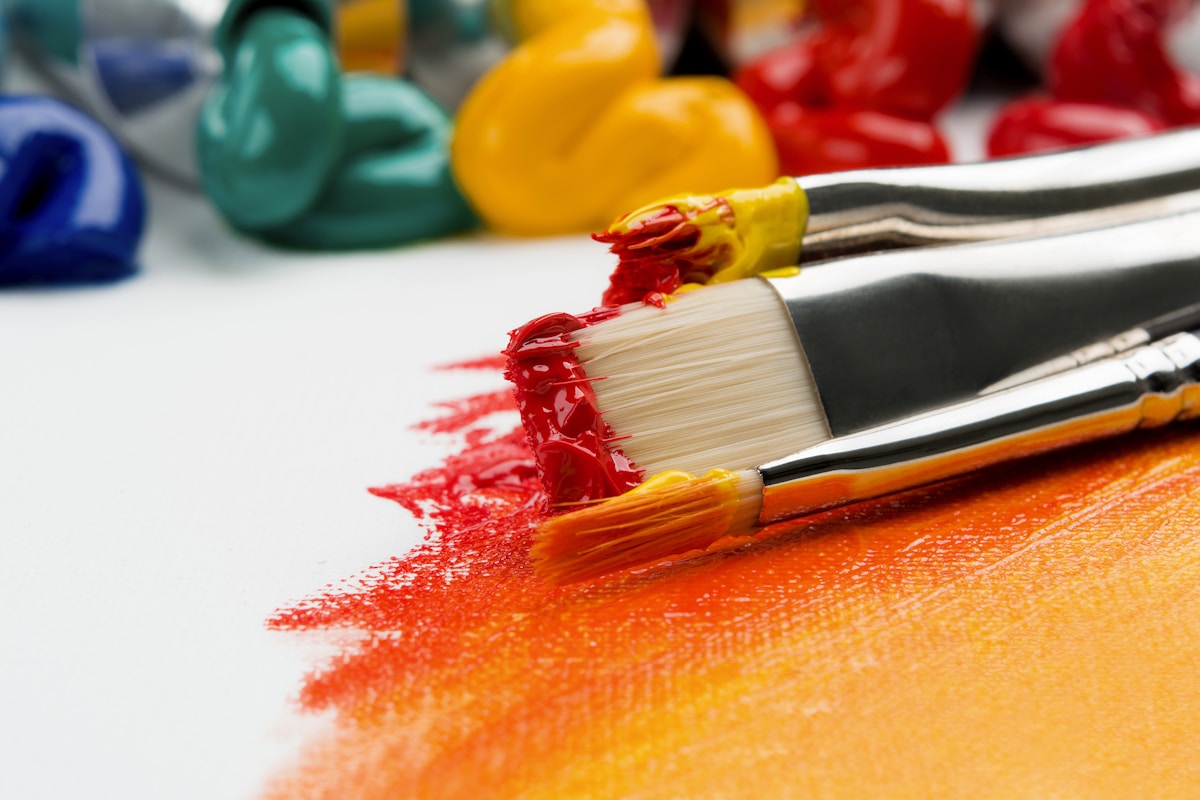
The result? Murals that look as vivid after five years as they did on day one. Surfaces that repel water. Colors that resist fading even under direct equatorial sun.
The Laboratory Approach
Every wall becomes a test site. I document ambient temperature, humidity, surface porosity. I photograph the work every six months. I analyze how different pigment combinations perform under stress.
This isn't just art. It's materials science. And the investment pays off — in client satisfaction, in reduced maintenance costs, in the knowledge that my work will outlive me.
"A mural that fades in two years isn't art. It's decoration. I create permanent marks."
Next time you see one of my murals, know that every color you're looking at was engineered for immortality.